
Wellbeing Guiding Frameworks
We use two evidence-based models to shape our practices:
- PBIS (Positive Behavioral Interventions and Supports): to create a positive school culture and shape values-based behavior
- MTSS (Multi-Tiered System of Supports): To identify and address academic needs through differentiated strategies, ensuring all students reach their full potential
Both frameworks are woven into daily school life—not as policies, but as shared mindsets that build trust, accountability, and motivation.
We follow an approach called PBIS (Positive Behavioral Interventions and Supports) for our conduct/behavior management, which means we teach and encourage the behaviors that help everyone in our school community thrive.
PBIS is woven into everything we do—not as a separate policy, but as a mindset. It helps us:
- Create predictable, respectful environments by teaching shared expectations
- Use positive reinforcement and reflective questions to celebrate growth
- Support all students through tiered interventions, from universal practices to tailored plans
- Lead restorative conversations that build accountability and community healing
This approach ensures that behavior support feels developmental—not disciplinary, and helps students internalize the “why” behind their actions.
If you are curious what the support looks like, here is a glimpse of the department supporting the students:
Personal & Social Wellbeing
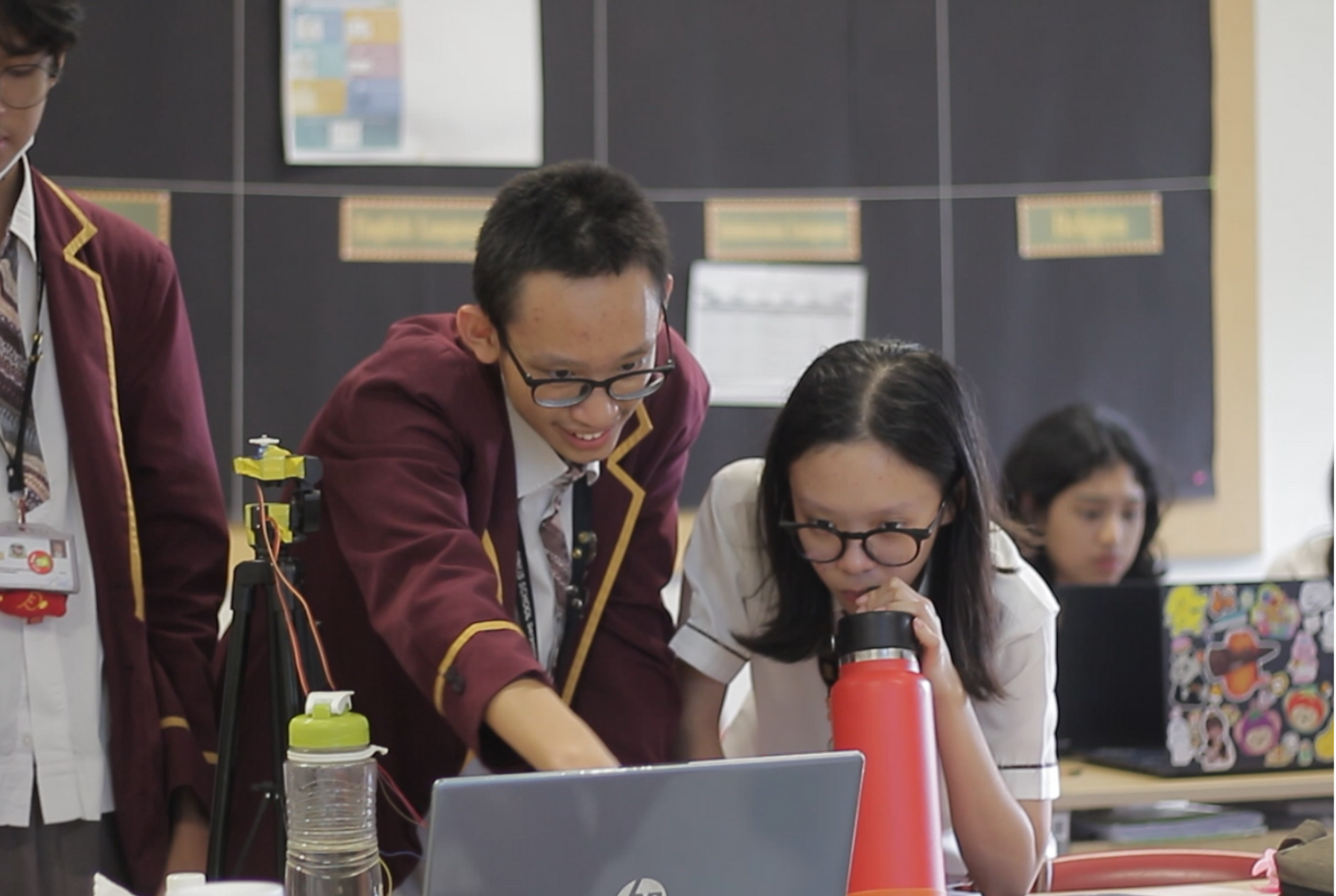
We provide individualized and group sessions covering:
- Emotional regulation and self-awareness
- Peer dynamics, conflict resolution, and empathy building
- Mental health literacy and digital wellness
- Responsive support during life changes, grief, or crisis
- Integration of our BINUS SPIRIT Values and IB Learner profile* to foster intentional character development
- Life skills sessions

Academic & Career Future Readiness
Students receive support in:
- Study habits, time management, and academic stress coping
- Goal setting and self-directed learning
- Career exploration, aptitude guidance, and decision-making
- Transition readiness, including university seminars and international info sessions
Our approach is student-led: every session, survey, and resource is shaped by learner voice and data insights. - Individual advising with the University Counselor to plan post-secondary pathways
Academic Support Using MTSS
We know that learning isn’t one-size-fits-all. Through MTSS, we:
- Monitor academic progress systematically across subjects and grade levels with basis of MAP Growth Testing and their summative assessment results.
- Provide tiered interventions—from universal strategies to individualized learning plans
- Collaborate with teachers and counselors to co-design support, such as:
- Study guides and academic counseling (CP Program)
- Time management and executive functioning coaching
- Attendance and behavior-linked academic support
- Engage students in self-reflection and goal setting to promote independent learning
Students who face academic challenges—whether due to stress, skills gaps, or other factors—receive personalized strategies and ongoing mentorship.
*BINUS SCHOOL Serpong is a Candidate School* for the PYP, MYP, and DP. This school is pursuing authorization as an IB World School. These are schools that share a common philosophy-a commitment to high quality, challenging, international education that BINUS SCHOOL Serpong believes is important for our students.
*Only schools authorized by the IB Organization can offer any of its four academic programmes: the Primary Years Programme (PYP), the Middle Years Programme (MYP), the Diploma Programme, or the Career-related Programme (CP). Candidate status gives no guarantee that authorization will be granted. For further information about the IB and its programmes, visit www.ibo.org


